 EVENTS
 FAQ
FAQ
GeoSentinel is a global network of travel, tropical medicine, and infectious disease experts. For over 30 years, our researchers and clinicians have stood at the forefront of travel-related disease — from detecting and alerting to studying, monitoring, and treating travelers and immigrants with travel- or migration-related infections.


Bringing Experts Together
We host quarterly meetings, annual conferences, and other member gatherings to facilitate knowledge exchange across geographic borders.
Exchanging Data & Information
Our international network of clinicians shares information in a timely manner, facilitating rapid and global public health responses to unusual and alarming outbreaks.
Publishing Our Findings
To influence policy and further research efforts into infectious disease, we publish our investigations in the leading journals of travel and tropical medicine.
GET INVOLVED
How to Contribute to Our Work


IMPACT
Our Network by the Numbers
25+
Years of Surveillance & Research
71+
Member Sites Around the World
134+
Peer-Reviewed Publications
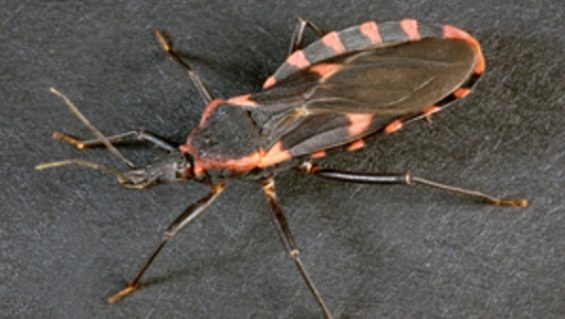
Chronic Chagas Disease: A Descriptive Analysis from the GeoSentinel Network, 2014–2023
Lead Author: Clara Crespillo-Andújar
Published: 6 August 2026
GeoSentinel Featured in Two-Part Harvard ALI Interview Series
Part 1: Keeping Watch on Global Health
In this in-depth interview, Dr. Davidson Hamer, GeoSentinel Surveillance Lead, discusses how the GeoSentinel Network, a partnership between ISTM and the U.S. CDC, has spent more than 30 years detecting emerging infectious diseases through a global network of travel and tropical medicine clinics. The article highlights GeoSentinel’s role in identifying outbreaks such as Zika, yellow fever, and mpox, while exploring its expanding contributions to molecular epidemiology, antimicrobial resistance surveillance, and global outbreak detection.
Part 2: Oropouche, Drug Resistance, and AI in Outbreak Surveillance
In the second installment, Dr. Hamer examines emerging infectious disease threats including Oropouche virus and antimicrobial resistance and discusses how GeoSentinel is leveraging genomic surveillance and artificial intelligence to strengthen outbreak detection and public health response worldwide.
* Originally published in the Harvard Advanced Leadership Initiative Social Impact Review

Our Partners
Proudly Funded By...


